
Every structure is protected by what is known as the building envelope — the physical barrier that separates the interior environment of the building from the outside world.
Envelope Components
When these components work together correctly, the building remains dry, energy efficient, and structurally sound. When they do not, problems such as moisture intrusion, condensation, mold growth, and energy loss can occur.
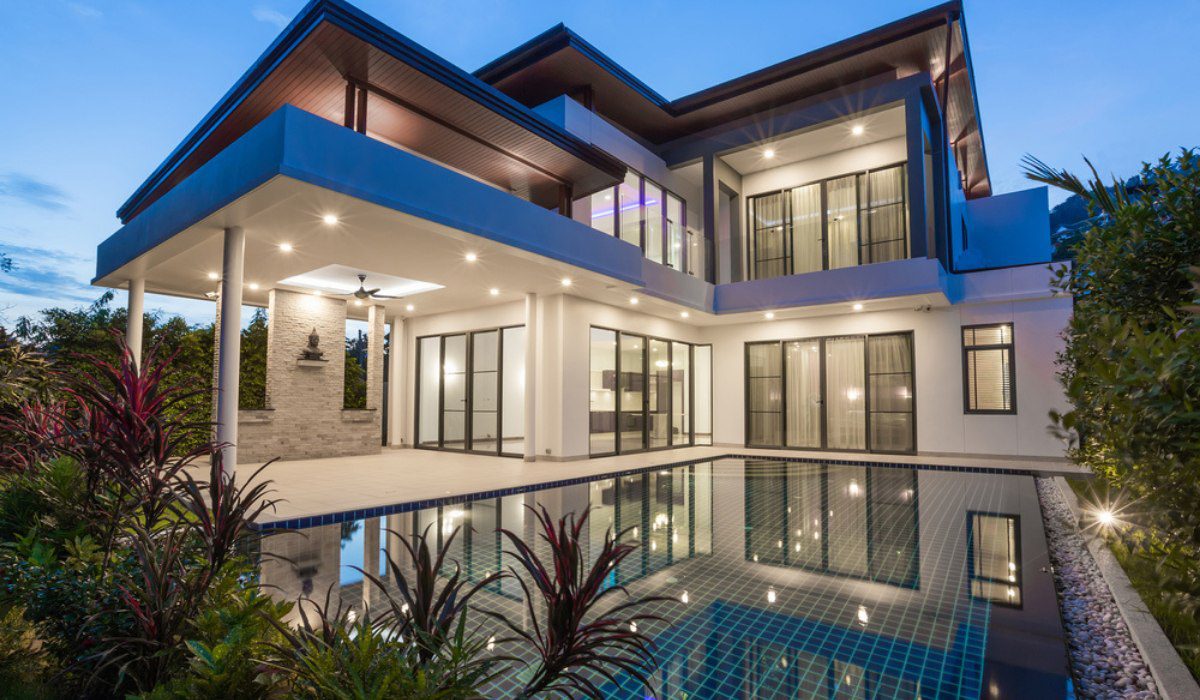
“Our work focuses on
strengthening the performance
of this envelope by addressing
the key forces that affect every
structure.”
— North Texas Waterproofing
Water is the most common cause of building envelope failure. Moisture can enter a structure through:
Below-grade structures are constantly exposed to hydrostatic pressure —
When water accumulates around a foundation, pressure increases
against the structure. Over time, this pressure can force moisture
through concrete, cracks, or construction joints.
Effective waterproofing requires both:
Air infiltration is another major factor affecting building performance. Small gaps within the building envelope allow air to move between interior and exterior spaces, leading to:
Water does not only move in liquid form — it can also travel as water vapor through building materials.
Temperature differences between the interior and exterior create vapor movement through walls, ceilings, and foundations. If this vapor encounters a surface below the dew point, condensation can occur inside the wall
assembly.
Growth Risks
Proper building envelope design balances vapor control, insulation, and ventilation to prevent these issues.
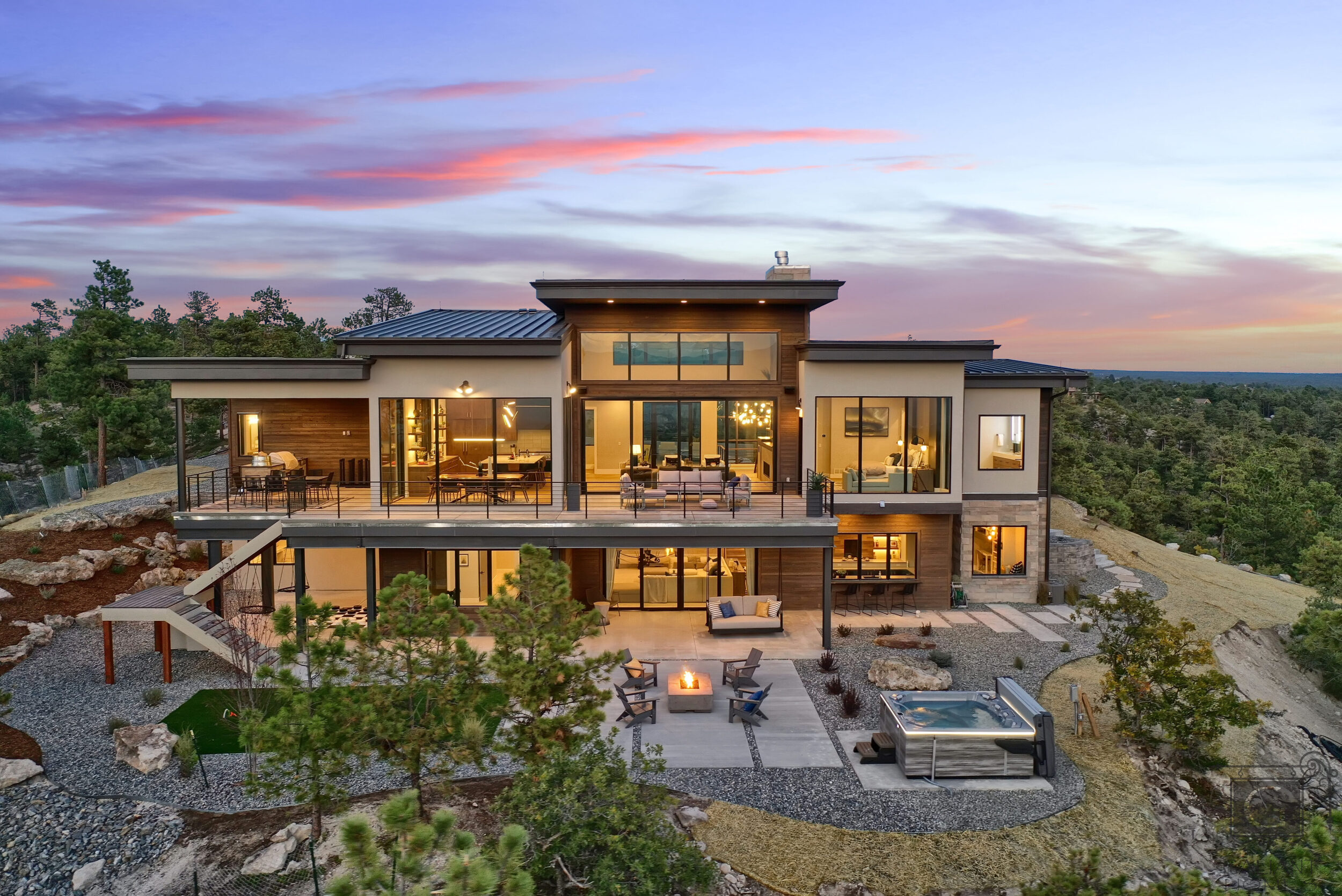
One of the most important principles in building science is water management.
Rather than assuming water will never reach the structure, modern building envelope design assumes that water will occasionally get behind exterior materials. The goal is to control where it goes and how it exits the system.
Best Practice Examples:
Building for Long-Term Performance
01
Large-scale retaining and landscape features.
02
Expansive window walls and custom transitions.
03
Pools, terraces, and integrated landscaping.
By understanding the science behind the building envelope, builders and designers can deliver structures that remain durable, efficient, and protected for decades.